Everyone will have their own opinion about Is Your Water Heater About to Die?.

In some cases, the lag in your heater is just a result of bathing too much or doing tons of washing. Nevertheless, there are circumstances when your devices requires taking care of so you can proceed delighting in warm water. Don't wait for busted hot water heater to provide you a big frustration at the height of winter season.
Rather, find out the warning signs that show your hot water heater is on its last leg prior to it entirely collapses. Call your plumber to do repairs before your maker totally falls short and also leaks anywhere when you observe these six red flags.
Listening To Unusual Seems
When unusual sounds like knocking as well as touching on your device, this shows sediment accumulation. It is akin to sedimentary rocks, which are hard and also make a great deal of noise when banging against steel. If left unattended, these items can develop rips on the metal, triggering leaks.
You can still conserve your water heating system by draining it and cleaning it. Simply beware because taking care of this threatens, whether it is a gas or electric device. Wear safety glasses, handwear covers, as well as safety apparel. Most importantly, see to it you understand what you're doing. Otherwise, it is much better to call a professional.
Producing Insufficient Warm Water
If there is not enough hot water for you and your household, yet you have not changed your usage routines, then that's the indicator that your water heater is stopping working. Generally, growing households as well as an added shower room indicate that you have to scale approximately a larger unit to satisfy your needs.
However, when whatever coincides, yet your water heater unexpectedly does not meet your hot water demands, take into consideration a specialist assessment because your maker is not carrying out to requirement.
Experiencing Changes in Temperature
Your water heating unit has a thermostat, and also the water generated need to remain around that exact same temperature you set for the device. If your water ends up being as well chilly or also hot all of an abrupt, it could mean that your water heating unit thermostat is no much longer doing its work.
Seeing Leakages as well as Pools
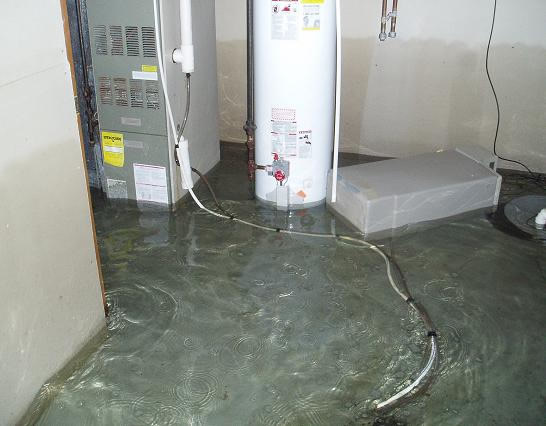
When you see a water leak, check to screws, ports, as well as pipes. You might simply need to tighten up a few of them. If you see pools collected at the base of the heating unit, you need to call for an instant inspection due to the fact that it shows you've got an active leakage that might be a concern with your storage tank itself or the pipes.
Noticing Stinky or gloomy Water
Does your water all of a sudden have an odor like rotten eggs and look unclean? Your water heater might be acting up if you smell something weird. Your water ought to be fresh as well as clean scenting as before. If not, you can have rust build-up and bacteria contamination. It indicates the integrated anode pole in your machine is no more doing its job, so you need it changed stat.
Aging Past Standard Life Expectancy
If your water heating unit is more than 10 years old, you should take into consideration replacing it. You might think about water heater replacement if you recognize your water heating unit is old, combined with the other problems pointed out above.
Do not wait for broken water heaters to give you a huge frustration at the peak of wintertime.
Your water heating unit has a thermostat, and the water generated ought to stay around that very same temperature you establish for the device. If your water becomes also warm or as well cool all of an abrupt, it can indicate that your water heating system thermostat is no much longer doing its task. If your water heater is even more than 10 years old, you have to take into consideration changing it. You may take into consideration water heating system replacement if you understand your water heating system is old, coupled with the other issues mentioned over.
How to Troubleshoot and Repair an Electric Water Heater
If your water heater is not working, you don't necessarily have to call in the pros or spring for a water heater replacement right away. DIY electric water heater repair is an option, depending on the problem. But first, you'll need some knowledge to diagnose your water heater problem.
Electric water heaters look similar to their gas-fueled cousins. They both use an insulated storage tank jacket made of steel, with insulation between the storage tank and the tank jacket to reduce heat loss of the heated water. The main difference between electric and gas water heaters is the heat source. In an electric water heater, the water is heated by electric upper and lower heating elements that extend into the water tank. Gas water heaters have a gas burner that heats the water from below the tank.
One of the most common problems with electric water heaters is a failed heating element, which results in little to no heat production. Fortunately, it is an inexpensive part that is relatively easy to replace with DIY water heater repair. Other common problems that could cause your hot water heater to stop working are improper settings, high home water pressure, or a lack of tank maintenance.
If you're considering DIY electric water heater repair, here are seven common problems and potential fixes.
Before You Begin: Check the Warranty
Before you start to troubleshoot your hot water heater problem, check the appliance's warranty. Both residential and commercial hot water heaters come with limited warranties. On every tank is a rating plate with the model and serial number. These numbers detail the year the tank was made and will determine whether the tank has a prorated warranty that might offer a new tank or parts, either free of charge or at a discount.
Take a picture or write down the information, and call the manufacturer if there are signs of your water heater going bad, such as a limited hot water supply in your home. But note that manufacturer warranties typically do not cover field labor.
No Hot Water
A water heater that produces no hot water might not be getting power, might have a tripped limit switch, or might have one or more failed heating elements.
https://www.thespruce.com/repair-an-electric-water-heater-1824636
I came across that page about Is Your Water Heater About to Die? when doing research the web. Appreciated our blog entry? Please share it. Help another person find it. Many thanks for your time invested reading it.
Need it done? Dial!